
713-229-8333

-

- Home
- Our Firm
- DWI
- First DWI
- Second DWI
- Third DWI
- Fourth DWI or More
- Felony DWI
- Commercial Vehicle DWI
- Motorcycle DWI
- Controlled Substance or Drug DWI
- Out of State Resident DWI
- College Student DWI
- Underage DUI
- DWI Defense for Licensed Professionals
- CPA Licenses
- Dental Licenses
- EMT Licenses
- Law Licenses
- Medical Licenses
- Mental Health Counselor Licenses
- Small Business
- Nursing Licenses
- Pharmacist Licenses
- Pilot Licenses
- Podiatrist Licenses
- Psychologist Licenses
- Real Estate Licenses
- SEC Securities Licenses
- Security Clearances
- Teaching Licenses
- Veterinarian Licenses
- Optometrist Licenses
- Collateral Consequences of DWI
- DWI Criminal Procedure
- ALR Hearing
- Open Container
- DWI Tests
- Boating While Intoxicated
- Criminal Defense
- Drug Crimes
- Drug Possession
- Drug Distribution
- Drug Conspiracy
- Drug Diversion
- Juvenile Drug Crimes
- Internet Drug Crimes
- Drug Crime Enhancements
- Drug Penalty Groups
- Drug Information
- Drug Crimes FAQ
- What Is Considered a Dangerous Drug in Texas?
- What Evidence Is Needed to Convict a Person of a Drug Crime in Texas?
- Is Possession of Marijuana a Crime in Texas?
- What Are the Consequences for Repeat Drug Offenders in Houston?
- Should I Plead Guilty to a Drug Crime Charge in Texas?
- What Is the Difference Between Federal and State Drug Crime Charges?
- Opioid Crimes FAQ
- Traffic Violations
- Assault Crimes
- Homicide Crimes
- Prostitution and Solicitation
- White Collar Crimes
- Theft
- Federal Crimes
- Federal Drug Charges
- Federal White Collar Crimes
- Immigration Crimes
- Federal Weapons Charges
- Obstruction of Justice
- Federal Crimes FAQ
- How Can an Attorney Help When Im Under Federal Investigation?
- What Happens if I Plead the Fifth in a Federal Crimes Case?
- Why Have I Been Accused of Obstruction of Justice?
- What Happens to Property That Has Been Forfeited and Seized by the Federal Government?
- What Should I Know About Federal Courts and the Federal Prison System in Texas?
- What Is a Currency Transaction Report?
- What Are Pre-Arrest and Arrest Warrants in Federal Crimes Cases?
- Other Crimes
- 3G Offenses
- Probation Violations
- Deferred Adjudication
- Expunctions
- Nondisclosures
- Defense Strategies
- Criminal Defense FAQ
- Drug Crimes
- Areas Served
- Houston Courts for DWI
- Harris County
- Baytown
- Bellaire
- Braeswood Place
- Cypress
- Deer Park
- East Downtown
- Friendswood
- Galleria
- Houston Heights
- Humble
- Jersey Village
- Katy
- Kingwood
- La Porte
- Memorial Villages
- Midtown
- Missouri City
- Montrose
- Pasadena
- Precinct 1
- Precinct 4
- Precinct 5
- Rice Military
- River Oaks
- Southside Place
- Spring
- Spring Valley
- Tanglewood
- Timbergrove/Lazybrook
- Tomball
- West University Place
- Westchase
- Austin County
- Bastrop County
- Brazoria County
- Colorado County
- Fayette County
- Fort Bend County
- Galveston County
- Grimes County
- Guadalupe County
- Lavaca County
- Leon County
- Liberty County
- Madison County
- Matagorda County
- Montgomery County
- Walker County
- Waller County
- Washington County
- Wharton County
- Media
- Blog
- Contact
“Doug & Chris are top notch. Both are extremely competent, family oriented and deliver results.”-D.P.
Are Texas DWI Blood Draws Legal?
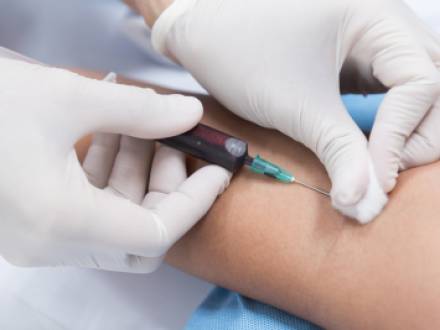 Although blood draws are one of the most powerful tools in Texas DWI prosecutions, that does not mean that every blood test is legal. In most cases, a warrant is required for a blood draw absent the driver's consent. When law enforcement skips this step, the courts are likely to suppress blood test results. You may have been taken straight to a hospital after your car accident, confronted with medical staff and police officers at the same time.
In such a stressful, chaotic environment, law enforcement officers may take the opportunity to obtain a blood sample without a warrant or clear consent. Although Texas relied heavily on "mandatory blood draw" laws for many years, today those provisions are restricted, and almost always require a warrant. Unfortunately, some officers still operate under outdated assumptions, and while blood test results can make or break a Texas DWI (Texas Penal Code Section 49) case, the legality of the procedure is every bit as important as the resulting BAC number.
As a Texas driver, you have more rights during a DWI investigation than you may realize. Police must follow strict protocols before taking your blood, and your lack of consent, confusion, or an improper warrant can result in the blood draw results being inadmissible. An experienced Houston, TX DWI lawyer from Murphy & McKinney Law Firm, P.C. can ensure your rights and your future are properly protected following DWI charges.
The Importance of Blood Draws for Prosecutors in Texas DWI Cases
A BAC reading from a blood draw is often the most persuasive evidence in court and is relied on heavily by Texas prosecutors. This is especially true when there has been a serious DWI accident or a felony DWI. However, Texas law tightly regulates when and how law enforcement can take your blood, and in most cases, a warrant is required.
Texas follows the U.S. Supreme Court’s rule that a blood draw is essentially a search, requiring a warrant. Unfortunately, many police officers assume a chemical test refusal gives them automatic permission to take a person’s blood, whether due to outdated statutory understanding or choosing to skip the warrant process because the hospital is "chaotic" or "busy."
Are There Exceptions to the Requirement for a Warrant for a Forced Blood Draw?
There are some very narrow exceptions to the warrant requirement, including:
- Voluntary consent that is clear and affirmative, made with no coercion by a person who fully understood the request. (A person who is sedated, confused, or pressured makes consent involuntary)
- Exigent circumstances where police must show a clear emergency, where there is no time to get a warrant that consists of more than the rapid dissipation of alcohol. Exigent circumstances are rare with modern e-warrant systems.
- Mandatory blood draw situations, which are very rare and seldom override the warrant requirement.
What Makes a Blood Draw Legally Valid?
For a blood draw to be admissible, it must be collected by a qualified medical professional with sterile, medically appropriate equipment. The blood sample must be properly labeled and sealed in vials, and there must be an immediate, documented chain of custody for the blood sample. There can be no deviation from DPS or medical protocols; even minor errors can compromise the sample.
EMTs or phlebotomists who perform the blood draw must meet specific Texas requirements, and a trainee can invalidate the draw. The use of alcohol swabs can contaminate BAC readings, and missing signatures, unsealed vials, or an unclear transfer of evidence can constitute a chain of custody gap. The police officer must read the DIC-24 statutory warnings to the suspect correctly and verbatim.
Contact a Houston, TX Criminal Defense Lawyer
While a blood test may look like irrefutable evidence against you, this is only true if it was collected legally. A highly skilled Houston DWI attorney from Murphy & McKinney Law Firm, P.C. can build a strong defense on your behalf. Attorney Murphy is one of only two Texas lawyers who are Board Certified in DWI Defense by the National College for DUI Defense and Board Certified in Criminal Law by the Texas Board of Legal Specialization. Call 713-229-8333 today to schedule your initial attorney meeting.


 Office Location
Murphy & McKinney Law Firm, P.C.
902 Heights Blvd., Houston, TX 77008
P 713-229-8333
F 713-583-0205
Our firm is located in Houston, and we provide representation for people in the surrounding cities and counties, including Cypress, Katy, Spring, Pasadena, La Porte, Deer Park, Friendswood, Baytown, Harris County, Bastrop County, Brazoria County, Fort Bend County, Galveston County, Guadalupe County, Liberty County, Montgomery County, Walker County, Waller County, and Wharton County. We also serve clients throughout the state of Texas.
Results listed are not a guarantee or indication of future case results.