
713-229-8333

-

- Home
- Our Firm
- DWI
- First DWI
- Second DWI
- Third DWI
- Fourth DWI or More
- Felony DWI
- Commercial Vehicle DWI
- Motorcycle DWI
- Controlled Substance or Drug DWI
- Out of State Resident DWI
- College Student DWI
- Underage DUI
- DWI Defense for Licensed Professionals
- CPA Licenses
- Dental Licenses
- EMT Licenses
- Law Licenses
- Medical Licenses
- Mental Health Counselor Licenses
- Small Business
- Nursing Licenses
- Pharmacist Licenses
- Pilot Licenses
- Podiatrist Licenses
- Psychologist Licenses
- Real Estate Licenses
- SEC Securities Licenses
- Security Clearances
- Teaching Licenses
- Veterinarian Licenses
- Optometrist Licenses
- Collateral Consequences of DWI
- DWI Criminal Procedure
- ALR Hearing
- Open Container
- DWI Tests
- Boating While Intoxicated
- Criminal Defense
- Drug Crimes
- Drug Possession
- Drug Distribution
- Drug Conspiracy
- Drug Diversion
- Juvenile Drug Crimes
- Internet Drug Crimes
- Drug Crime Enhancements
- Drug Penalty Groups
- Drug Information
- Drug Crimes FAQ
- What Is Considered a Dangerous Drug in Texas?
- What Evidence Is Needed to Convict a Person of a Drug Crime in Texas?
- Is Possession of Marijuana a Crime in Texas?
- What Are the Consequences for Repeat Drug Offenders in Houston?
- Should I Plead Guilty to a Drug Crime Charge in Texas?
- What Is the Difference Between Federal and State Drug Crime Charges?
- Opioid Crimes FAQ
- Traffic Violations
- Assault Crimes
- Homicide Crimes
- Prostitution and Solicitation
- White Collar Crimes
- Theft
- Federal Crimes
- Federal Drug Charges
- Federal White Collar Crimes
- Immigration Crimes
- Federal Weapons Charges
- Obstruction of Justice
- Federal Crimes FAQ
- How Can an Attorney Help When Im Under Federal Investigation?
- What Happens if I Plead the Fifth in a Federal Crimes Case?
- Why Have I Been Accused of Obstruction of Justice?
- What Happens to Property That Has Been Forfeited and Seized by the Federal Government?
- What Should I Know About Federal Courts and the Federal Prison System in Texas?
- What Is a Currency Transaction Report?
- What Are Pre-Arrest and Arrest Warrants in Federal Crimes Cases?
- Other Crimes
- 3G Offenses
- Probation Violations
- Deferred Adjudication
- Expunctions
- Nondisclosures
- Defense Strategies
- Criminal Defense FAQ
- Drug Crimes
- Areas Served
- Houston Courts for DWI
- Harris County
- Baytown
- Bellaire
- Braeswood Place
- Cypress
- Deer Park
- East Downtown
- Friendswood
- Galleria
- Houston Heights
- Humble
- Jersey Village
- Katy
- Kingwood
- La Porte
- Memorial Villages
- Midtown
- Missouri City
- Montrose
- Pasadena
- Precinct 1
- Precinct 4
- Precinct 5
- Rice Military
- River Oaks
- Southside Place
- Spring
- Spring Valley
- Tanglewood
- Timbergrove/Lazybrook
- Tomball
- West University Place
- Westchase
- Austin County
- Bastrop County
- Brazoria County
- Colorado County
- Fayette County
- Fort Bend County
- Galveston County
- Grimes County
- Guadalupe County
- Lavaca County
- Leon County
- Liberty County
- Madison County
- Matagorda County
- Montgomery County
- Walker County
- Waller County
- Washington County
- Wharton County
- Media
- Blog
- Contact
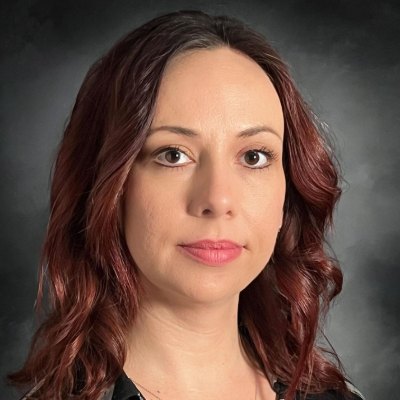
Spring 2026 Winner of the Criminal Justice Scholarship
Sara MacNeil
As a nontraditional student, Sara brings unique perspectives and experiences to her studies. She is truly determined to use her education to make a real difference for those who need it most. Congratulations, Sara, we admire your commitment to helping people find justice within the legal system!
Read Their Essay Here:
Perseverance, Purpose, and the Pursuit of Justice
I am preparing to begin law school for the third time. I’ve deferred twice—first to care for my mother when she was diagnosed with cancer, and again when she passed away shortly before I was supposed to start. At 38, I’m no stranger to setbacks, but I’ve never lost sight of my goal: to become a lawyer who uses the law to protect people who are vulnerable, overlooked, or harmed.
My journey to this point has not been easy. I’m a survivor of domestic violence. I live with autism and am nearly deaf in one ear. I’ve dealt with financial instability, trauma, and chronic stress. As a child, I lived with an abusive father who suffered from alcoholism and Post Traumatic Stress Disorder due to his time serving in the Air Force. But these experiences haven’t broken me. They’ve shaped me into a more compassionate, resilient, and determined person—and they’ve given me the insight I need to serve others effectively through the law.
My professional background began in journalism. Over nearly five years, I worked in newsrooms across New Mexico, Louisiana, Alabama, and Nevada. I covered courts, city councils, school boards, and environmental issues. I wrote stories about police violence, racial injustice, and discriminatory laws—one of which, a “sagging pants” ordinance in Shreveport that disproportionately targeted Black men, was later repealed. But as much as I valued journalism, I eventually realized I wanted to do more than report injustice—I wanted to fight it.
That desire led me to a paralegal position at New Mexico Legal Aid, where I worked on domestic violence and LGBTQ+ discrimination cases. My work included drafting motions, gathering evidence, educating clients, and supporting attorneys in and out of court. One of the most impactful cases I assisted with involved a transgender inmate who was violently assaulted by a prison guard for refusing to use her dead name. Our team helped secure a favorable settlement in federal court. I also helped with New Mexico’s first transgender stepparent adoption. These experiences made it clear that I’m not only capable of handling complex legal work—I’m also deeply invested in it.
My own experience as a domestic violence survivor gives me a unique perspective. In 2014, my former partner slammed my head into a metal pole. It wasn’t the first time he hurt me, but it was the last—he was charged with aggravated battery. The legal process was confusing and dehumanizing. Later, I helped prepare the very pleadings I once didn’t understand. I worked on cases involving restraining orders, custody battles, and financial reparations. I gathered evidence of abuse—photos, medical records, and police reports—and used that evidence to help survivors seek protection and justice. I’ve also received training in trauma-informed lawyering, unconscious bias, and expert testimony in strangulation cases. I understand how to support victims, because I’ve been one.
One of the most influential trainings I attended was by Dr. William Smock, a forensic expert who testified in the Derek Chauvin trial. His presentation on asphyxiation helped jurors understand how George Floyd died—and ultimately contributed to a murder conviction. That kind of expert insight can be life-saving in domestic violence cases, especially those involving strangulation. I regularly applied that knowledge in my own work, flagging high-risk cases and helping gather medical evidence for protective orders.
Beyond my paralegal work, I’ve continued to advocate through writing. In 2023, I reported on PFAS contamination in rural New Mexico communities near a military base. I interviewed residents whose private wells tested positive for toxic chemicals. Many were sick, confused, and had no support. My article raised public awareness, but it also reminded me of the limits of journalism. I want to be the kind of lawyer who helps communities like these—who uses the law to hold polluters accountable and fight for environmental justice.
Being a nontraditional student, I bring maturity, perspective, and grit to law school. I’ve balanced jobs, caregiving, trauma, and health challenges while building a career. I’ve had to learn how to advocate for myself in systems that were not designed with people like me in mind. Now I want to use those hard-earned skills to advocate for others—especially those who are marginalized or silenced.
This scholarship would make a significant difference. While I received a generous tuition scholarship, I still face steep costs for housing, books, fees, relocation, and care for my emotional support dog. I have no financial support from family and no savings. I’m nearly $60,000 in debt from my undergraduate education. I plan to attend law school full-time without the ability to work my first year. Your support would allow me to focus fully on my studies and my goal of becoming a public interest attorney.
I’m not pursuing law because it’s easy. I’m pursuing it because it matters. I have witnessed firsthand how the law can protect—and how it can fail. I want to be part of the solution. I’m ready to bring my lived experience, work ethic, and passion for justice into the legal field, where I believe I can make a real difference.
Thank you for considering my application.


 Office Location
Murphy & McKinney Law Firm, P.C.
902 Heights Blvd., Houston, TX 77008
P 713-229-8333
F 713-583-0205
Our firm is located in Houston, and we provide representation for people in the surrounding cities and counties, including Cypress, Katy, Spring, Pasadena, La Porte, Deer Park, Friendswood, Baytown, Harris County, Bastrop County, Brazoria County, Fort Bend County, Galveston County, Guadalupe County, Liberty County, Montgomery County, Walker County, Waller County, and Wharton County. We also serve clients throughout the state of Texas.
Results listed are not a guarantee or indication of future case results.