
713-229-8333

-

- Home
- Our Firm
- DWI
- First DWI
- Second DWI
- Third DWI
- Fourth DWI or More
- Felony DWI
- Commercial Vehicle DWI
- Motorcycle DWI
- Controlled Substance or Drug DWI
- Out of State Resident DWI
- College Student DWI
- Underage DUI
- DWI Defense for Licensed Professionals
- CPA Licenses
- Dental Licenses
- EMT Licenses
- Law Licenses
- Medical Licenses
- Mental Health Counselor Licenses
- Small Business
- Nursing Licenses
- Pharmacist Licenses
- Pilot Licenses
- Podiatrist Licenses
- Psychologist Licenses
- Real Estate Licenses
- SEC Securities Licenses
- Security Clearances
- Teaching Licenses
- Veterinarian Licenses
- Optometrist Licenses
- Collateral Consequences of DWI
- DWI Criminal Procedure
- ALR Hearing
- Open Container
- DWI Tests
- Boating While Intoxicated
- Criminal Defense
- Drug Crimes
- Drug Possession
- Drug Distribution
- Drug Conspiracy
- Drug Diversion
- Juvenile Drug Crimes
- Internet Drug Crimes
- Drug Crime Enhancements
- Drug Penalty Groups
- Drug Information
- Drug Crimes FAQ
- What Is Considered a Dangerous Drug in Texas?
- What Evidence Is Needed to Convict a Person of a Drug Crime in Texas?
- Is Possession of Marijuana a Crime in Texas?
- What Are the Consequences for Repeat Drug Offenders in Houston?
- Should I Plead Guilty to a Drug Crime Charge in Texas?
- What Is the Difference Between Federal and State Drug Crime Charges?
- Opioid Crimes FAQ
- Traffic Violations
- Assault Crimes
- Homicide Crimes
- Prostitution and Solicitation
- White Collar Crimes
- Theft
- Federal Crimes
- Federal Drug Charges
- Federal White Collar Crimes
- Immigration Crimes
- Federal Weapons Charges
- Obstruction of Justice
- Federal Crimes FAQ
- How Can an Attorney Help When Im Under Federal Investigation?
- What Happens if I Plead the Fifth in a Federal Crimes Case?
- Why Have I Been Accused of Obstruction of Justice?
- What Happens to Property That Has Been Forfeited and Seized by the Federal Government?
- What Should I Know About Federal Courts and the Federal Prison System in Texas?
- What Is a Currency Transaction Report?
- What Are Pre-Arrest and Arrest Warrants in Federal Crimes Cases?
- Other Crimes
- 3G Offenses
- Probation Violations
- Deferred Adjudication
- Expunctions
- Nondisclosures
- Defense Strategies
- Criminal Defense FAQ
- Drug Crimes
- Areas Served
- Houston Courts for DWI
- Harris County
- Baytown
- Bellaire
- Braeswood Place
- Cypress
- Deer Park
- East Downtown
- Friendswood
- Galleria
- Houston Heights
- Humble
- Jersey Village
- Katy
- Kingwood
- La Porte
- Memorial Villages
- Midtown
- Missouri City
- Montrose
- Pasadena
- Precinct 1
- Precinct 4
- Precinct 5
- Rice Military
- River Oaks
- Southside Place
- Spring
- Spring Valley
- Tanglewood
- Timbergrove/Lazybrook
- Tomball
- West University Place
- Westchase
- Austin County
- Bastrop County
- Brazoria County
- Colorado County
- Fayette County
- Fort Bend County
- Galveston County
- Grimes County
- Guadalupe County
- Lavaca County
- Leon County
- Liberty County
- Madison County
- Matagorda County
- Montgomery County
- Walker County
- Waller County
- Washington County
- Wharton County
- Media
- Blog
- Contact
“I couldn't ask for a better attorney, and office to work with.”-Satisfied Client
What Is Constructive Possession Under Texas Drug Laws?
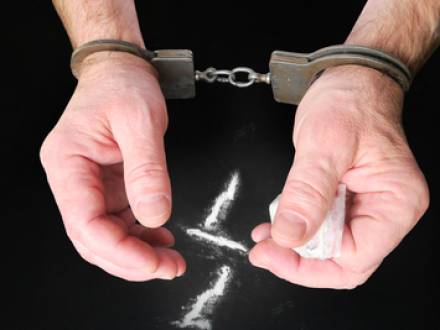 Constructive possession under Texas drug laws means you can be charged with possessing a controlled substance even if the drugs weren't found directly on your body. This applies as long as the state can show you knew about the drugs and had control over the place where they were found.
If you’re facing a drug possession charge in 2026, our Houston drug crimes defense lawyers can help you understand exactly what the state must prove. We’ll also help you build a defense to fight the charges.
How Does Texas Law Define Constructive Possession in a Drug Case?
Texas addresses drug possession under Texas Health and Safety Code Section 481.115. This law makes it illegal to knowingly or intentionally possess a controlled substance. Possession itself is further defined under Texas Penal Code Section 1.07 as actual care, custody, control, or management of an item. This definition doesn't require the drugs to be found directly on your person. Because of this, prosecutors often rely on constructive possession when drugs are found in a location you had access to. They don't need proof that the drugs were physically on your body at the time.
What Must the State Prove for Constructive Possession in Texas?
To convict someone based on constructive possession, prosecutors generally must establish two key elements. First, they need to show that you knew the controlled substance was present. Second, they need to show that you exercised care, custody, control, or management over the substance or the place where it was found.
These elements require more than simple proximity. Because of this, the state can't rely solely on the fact that you were near the drugs when they were discovered. This distinction becomes especially important in cases involving shared spaces. It means everyone with access to that space isn't automatically guilty just because drugs were found there.
How Is Constructive Possession Different From Actual Possession in Texas?
Actual possession means the drugs were found directly on your body, like in your pocket or your hand. Constructive possession applies in situations where drugs are found somewhere you had access to or control over, such as a shared vehicle, apartment, or backpack, without being physically on you at the time.
Many drug charges involving someone else's substances fall into this second category. Prosecutors often rely on your connection to the location rather than direct evidence that the drugs were yours. This distinction matters significantly, since constructive possession cases tend to be easier to challenge than cases involving drugs found directly on a person.
What Factors Do Texas Courts Consider When Evaluating Constructive Possession?
Texas courts look at several factors when deciding whether someone had constructive possession of a controlled substance. These commonly include:
- Whether the drugs were in plain view or hidden from casual observation
- Whether you had a relationship to other people with access to the same location
- Your proximity to the drugs when they were discovered
- Whether you made incriminating statements or gestures when the drugs were found
- Whether drug paraphernalia was found near you specifically
- The amount of the controlled substance found
Prosecutors typically need to build a case using multiple pieces of evidence pointing toward your knowledge and control. They often can't rely on just one detail.
What Defenses Apply to Constructive Possession Charges in Texas?
Several defenses commonly apply in cases built on constructive possession. Challenging whether you genuinely knew the drugs were present can be effective, particularly when drugs were hidden in a location you had no reason to search or inspect. Challenging whether you actually had control over the specific area where drugs were found, especially in shared spaces, can also undermine the state's case. Additionally, say police discovered the drugs through an illegal search. In that case, your attorney can file a motion to suppress that evidence. This could remove the foundation of the state's entire case.
Contact Our Houston Drug Possession Defense Attorneys Today
Facing a drug charge based on constructive possession can feel deeply unfair. You deserve an attorney with real standing in the legal community to help you fight. Attorney Doug Murphy has exactly that, having served as President of the Harris County Criminal Lawyers Association.
Contact Murphy & McKinney Law Firm, P.C. at 713-229-8333 to talk to our Houston drug crimes defense lawyers today.


 Office Location
Murphy & McKinney Law Firm, P.C.
902 Heights Blvd., Houston, TX 77008
P 713-229-8333
F 713-583-0205
Our firm is located in Houston, and we provide representation for people in the surrounding cities and counties, including Cypress, Katy, Spring, Pasadena, La Porte, Deer Park, Friendswood, Baytown, Harris County, Bastrop County, Brazoria County, Fort Bend County, Galveston County, Guadalupe County, Liberty County, Montgomery County, Walker County, Waller County, and Wharton County. We also serve clients throughout the state of Texas.
Results listed are not a guarantee or indication of future case results.