
713-229-8333

-

- Home
- Our Firm
- DWI
- First DWI
- Second DWI
- Third DWI
- Fourth DWI or More
- Felony DWI
- Commercial Vehicle DWI
- Motorcycle DWI
- Controlled Substance or Drug DWI
- Out of State Resident DWI
- College Student DWI
- Underage DUI
- DWI Defense for Licensed Professionals
- CPA Licenses
- Dental Licenses
- EMT Licenses
- Law Licenses
- Medical Licenses
- Mental Health Counselor Licenses
- Small Business
- Nursing Licenses
- Pharmacist Licenses
- Pilot Licenses
- Podiatrist Licenses
- Psychologist Licenses
- Real Estate Licenses
- SEC Securities Licenses
- Security Clearances
- Teaching Licenses
- Veterinarian Licenses
- Optometrist Licenses
- Collateral Consequences of DWI
- DWI Criminal Procedure
- ALR Hearing
- Open Container
- DWI Tests
- Boating While Intoxicated
- Criminal Defense
- Drug Crimes
- Drug Possession
- Drug Distribution
- Drug Conspiracy
- Drug Diversion
- Juvenile Drug Crimes
- Internet Drug Crimes
- Drug Crime Enhancements
- Drug Penalty Groups
- Drug Information
- Drug Crimes FAQ
- What Is Considered a Dangerous Drug in Texas?
- What Evidence Is Needed to Convict a Person of a Drug Crime in Texas?
- Is Possession of Marijuana a Crime in Texas?
- What Are the Consequences for Repeat Drug Offenders in Houston?
- Should I Plead Guilty to a Drug Crime Charge in Texas?
- What Is the Difference Between Federal and State Drug Crime Charges?
- Opioid Crimes FAQ
- Traffic Violations
- Assault Crimes
- Homicide Crimes
- Prostitution and Solicitation
- White Collar Crimes
- Theft
- Federal Crimes
- Federal Drug Charges
- Federal White Collar Crimes
- Immigration Crimes
- Federal Weapons Charges
- Obstruction of Justice
- Federal Crimes FAQ
- How Can an Attorney Help When Im Under Federal Investigation?
- What Happens if I Plead the Fifth in a Federal Crimes Case?
- Why Have I Been Accused of Obstruction of Justice?
- What Happens to Property That Has Been Forfeited and Seized by the Federal Government?
- What Should I Know About Federal Courts and the Federal Prison System in Texas?
- What Is a Currency Transaction Report?
- What Are Pre-Arrest and Arrest Warrants in Federal Crimes Cases?
- Other Crimes
- 3G Offenses
- Probation Violations
- Deferred Adjudication
- Expunctions
- Nondisclosures
- Defense Strategies
- Criminal Defense FAQ
- Drug Crimes
- Areas Served
- Houston Courts for DWI
- Harris County
- Baytown
- Bellaire
- Braeswood Place
- Cypress
- Deer Park
- East Downtown
- Friendswood
- Galleria
- Houston Heights
- Humble
- Jersey Village
- Katy
- Kingwood
- La Porte
- Memorial Villages
- Midtown
- Missouri City
- Montrose
- Pasadena
- Precinct 1
- Precinct 4
- Precinct 5
- Rice Military
- River Oaks
- Southside Place
- Spring
- Spring Valley
- Tanglewood
- Timbergrove/Lazybrook
- Tomball
- West University Place
- Westchase
- Austin County
- Bastrop County
- Brazoria County
- Colorado County
- Fayette County
- Fort Bend County
- Galveston County
- Grimes County
- Guadalupe County
- Lavaca County
- Leon County
- Liberty County
- Madison County
- Matagorda County
- Montgomery County
- Walker County
- Waller County
- Washington County
- Wharton County
- Media
- Blog
- Contact
“I couldn't ask for a better attorney, and office to work with.”-Satisfied Client
Recent Blog Posts
What Makes a Texas Robbery Charge More Serious Than Theft?
 Theft and robbery might sound like variations of the same thing, but under Texas law, they are entirely different charges with very different consequences. The distinction comes down to one factor: the presence of a person and what happened during the encounter.
If you've been charged with robbery in 2026, you're facing something far more serious than a property crime. However, you do not have to face it alone. Our Houston, TX robbery defense lawyers can help you understand exactly what you're up against and how to fight it.
How Does Texas Law Define the Difference Between Theft and Robbery?
Theft, under Texas Penal Code § 31.03, is taking someone's property without their consent and with the intent to deprive them of it. It's a property crime. The severity depends on the value of what was taken.
Understanding Resisting Arrest Charges
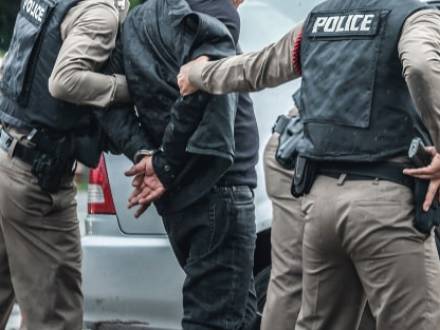 A resisting arrest charge can happen quickly and make an already difficult situation much worse. In Texas, this charge can be added on top of whatever else you were arrested for, which means the consequences can pile up quickly.
One thing that surprises many people is that under Texas Penal Code § 38.03, saying the arrest was unlawful is not a legal defense. Even if the officer had no right to arrest you, resisting can still result in a separate charge.
If you're facing resisting arrest charges in 2026, our Houston criminal defense lawyers can help you understand your options and start building your defense.
What Does Texas Law Say About Resisting Arrest?
Under Texas Penal Code § 38.03, a person resists arrest when they intentionally prevent or obstruct a peace officer from making an arrest, conducting a search, or transporting a person by using force against the officer or another person.
Tools, Tactics, and Strategies for Fighting a Felony Texas DWI Charge
 Texas felony DWI defense is a complex skill involving sophisticated possibilities. Texas DWI Specialist attorney Doug Murphy has devoted his career and passion to Texas DWI defense because of the special opportunity to help good people in bad situations, using peculiar scientific, legal, and procedural knowledge.
Attorney Murphy's substantial experience not only defending Texas felony DWI cases but also teaching other lawyers felony DWI defense has enabled him to develop a large toolbox of sophisticated tactics and strategies for felony DWI defense. Attorney Murphy also speaks to DWI judges and lawyers nationwide on felony DWI defense.
Texas felony DWI defense isn't easy. But your successful defense may well be possible when your Texas DWI Specialist has strong skills honed from substantial experience. Contact our Houston DWI defense attorney today to get started on the best strategy for your case.
Felony DWI and Retaining your Professional License
 A felony DWI charge and conviction can seriously affect your professional license. In some cases, you could lose your license or suffer other restrictions that hamper or destroy your professional practice, employment, income, and career.
A first-offense Texas DWI crime is ordinarily a Class B misdemeanor, typically punished with little or no jail time, moderate fine, and license and other restrictions. But Texas elevates the misdemeanor DWI crime to a much more serious felony DWI charge for things like a third or subsequent offense, an offense with a child passenger, or an offense causing serious injury to or death of another person.
Elevated felony DWI charges can turn a misdemeanor into a first, second, or third-degree felony punishable with many years in prison, carrying large fines, and imposing severe collateral consequences, especially for a professional with a thriving and valuable professional practice.
Does Using Tesla Autopilot Protect You from a DWI Charge in Texas?
 Tesla's Autopilot is what the industry calls a Level Two semi-autonomous system. That means it can steer, accelerate, and brake with limited input, but it does not drive the car. The driver is still legally responsible for everything that happens, but what exactly the car will do – and won’t do – leaves drivers with great uncertainty.
The intersection of autopilot driving systems and Houston DWIs is exactly the kind of complex, high-profile DWI defense work our team at Murphy & McKinney Law Firm, P.C. handles. We stand with our clients at the frontier of emerging law and technology to answer difficult questions and fight for their rights.
If you are facing DWI charges in 2026, our Houston Board Certified DWI defense attorney can explain what you need to know about current Texas law and autopilot systems.
What Happens if You Get a First-Time DWI in Texas?
Under Texas Penal Code § 49.04, a first-offense DWI is a Class B misdemeanor if your blood alcohol content is between .08 and .14.
Is It Entrapment if Police Target Patrons Leaving a Bar?
 You finish dinner at your favorite Houston restaurant, have a couple of drinks with friends, and head to your car. As you pull out of the parking lot, you notice a police car following you. A few blocks later, the officer turns on their lights and pulls you over. You wonder if you did anything wrong, or if the officer targeted you simply because you left a bar.
This scenario plays out across Texas every night. Police officers often patrol near bars, nightclubs, and restaurants that serve alcohol. When it comes to investigating a charge of driving while intoxicated, the power of the police is not unlimited. They cannot simply pull over a car on a hunch that the driver is intoxicated. As a result, many people arrested for driving while intoxicated (DWI) in 2026 wonder if the police tactics used against them were legal.
If you are arrested in Houston for a DWI in 2026, get NCDD Board-Certified DWI defense attorney Douglas Murphy on your side right away. At Murphy & McKinney Law Firm, P.C., we represent doctors, lawyers, CEOs, professional athletes, and other high-profile professionals who have been charged with DWIs. Call us at 713-229-8333 now.
Penalties for Assault Against a Child, Elderly, or Disabled Person in Texas
 Texas law treats assault charges involving children, elderly individuals, and disabled persons more seriously than standard assault cases. These vulnerable populations receive special protection under the Texas Penal Code, and the consequences for a conviction are extremely serious. If you have been charged with this crime in 2026, the smartest thing you can do is work with a Houston criminal defense attorney who is Board Certified in Criminal Law.
The penalties for assaulting a child, elderly, or disabled person depend on several factors. Who is the victim? What injury are you accused of causing? What were the circumstances of the incident? Prosecutors will be sure to bring charges in a way that maximizes the consequences. Even a first-time offense can result in years behind bars and a criminal record that sticks with you forever.
DWI Charges for Injury to a Child Passenger
 Anyone arrested for a DWI with a child passenger in the vehicle faces a serious criminal charge. Even if the child suffers no harm whatsoever, Texas law elevates the basic DWI charge, typically a Class B misdemeanor for a first offense, into a more-serious state jail felony charge.
But if the driver's intoxication causes an accident that seriously injures the child, the driver can face a separate intoxication assault charge, typically a third-degree felony. In short, , in the unusual case of a DWI with a child passenger who suffers a serious injury, you can face two serious felony criminal charges rather than a single misdemeanor charge.
Other charges and complications can also arise. Work with premier Houston DWI Specialist defense attorney Doug Murphy with Murphy & McKinney Law Firm, P.C. in the very unfortunate event that you face any such charges in 2026.
Felony DWI Procedure and Timeline
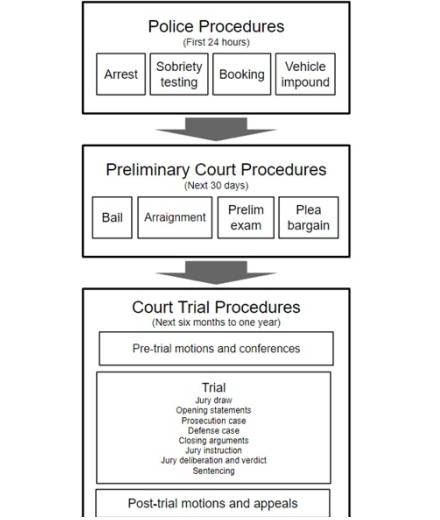 An ordinary first-offense DWI in Texas is typically a Class B misdemeanor. But any number of circumstances can enhance the misdemeanor DWI charge into a felony DWI charge. Those circumstances include things like seriously injuring or even killing another person due to intoxication, injuring police, medical, or firefighter officials, or committing a DWI while transporting a child under age fifteen.
Texas charges DWI felonies first as progressively more-serious state jail felonies, third-degree felonies, second-degree felonies, or even first-degree felonies. The procedures for a felony DWI can differ in some respects from the procedures for a misdemeanor DWI. Texas felony DWI cases generally unfold in three major stages, along an approximate timeline.
If you are charged with a DWI felony in 2026, our outstanding team of Houston felony DWI defense attorneys are here to help give you the best defense possible.
Houston's Gun Carry Laws in 2026: The FAQ
 Understanding state and federal laws about carrying a gun can be tricky. Gun laws vary from state to state, and while Texas has gun-owner-friendly legislation, knowing where you can carry a gun and whether and when you need a license can be challenging.
That's why we're answering some of the most common questions we hear from our clients about Texas gun laws. If you have already been charged with a gun crime in 2026, our Houston board-certified criminal defense attorneys can help.
Who Can Carry a Gun in Houston?
In recent years, Texas enacted new legislation making it easier to carry a gun. If you qualify, you can carry a gun in a public place without a license to carry it, as long as you carry it in a holster. You may qualify to carry a gun under Texas state law if:


 Office Location
Murphy & McKinney Law Firm, P.C.
902 Heights Blvd., Houston, TX 77008
P 713-229-8333
F 713-583-0205
Our firm is located in Houston, and we provide representation for people in the surrounding cities and counties, including Cypress, Katy, Spring, Pasadena, La Porte, Deer Park, Friendswood, Baytown, Harris County, Bastrop County, Brazoria County, Fort Bend County, Galveston County, Guadalupe County, Liberty County, Montgomery County, Walker County, Waller County, and Wharton County. We also serve clients throughout the state of Texas.
Results listed are not a guarantee or indication of future case results.