
713-229-8333

-

- Home
- Our Firm
- DWI
- First DWI
- Second DWI
- Third DWI
- Fourth DWI or More
- Felony DWI
- Commercial Vehicle DWI
- Motorcycle DWI
- Controlled Substance or Drug DWI
- Out of State Resident DWI
- College Student DWI
- Underage DUI
- DWI Defense for Licensed Professionals
- CPA Licenses
- Dental Licenses
- EMT Licenses
- Law Licenses
- Medical Licenses
- Mental Health Counselor Licenses
- Small Business
- Nursing Licenses
- Pharmacist Licenses
- Pilot Licenses
- Podiatrist Licenses
- Psychologist Licenses
- Real Estate Licenses
- SEC Securities Licenses
- Security Clearances
- Teaching Licenses
- Veterinarian Licenses
- Optometrist Licenses
- Collateral Consequences of DWI
- DWI Criminal Procedure
- ALR Hearing
- Open Container
- DWI Tests
- Boating While Intoxicated
- Criminal Defense
- Drug Crimes
- Drug Possession
- Drug Distribution
- Drug Conspiracy
- Drug Diversion
- Juvenile Drug Crimes
- Internet Drug Crimes
- Drug Crime Enhancements
- Drug Penalty Groups
- Drug Information
- Drug Crimes FAQ
- What Is Considered a Dangerous Drug in Texas?
- What Evidence Is Needed to Convict a Person of a Drug Crime in Texas?
- Is Possession of Marijuana a Crime in Texas?
- What Are the Consequences for Repeat Drug Offenders in Houston?
- Should I Plead Guilty to a Drug Crime Charge in Texas?
- What Is the Difference Between Federal and State Drug Crime Charges?
- Opioid Crimes FAQ
- Traffic Violations
- Assault Crimes
- Homicide Crimes
- Prostitution and Solicitation
- White Collar Crimes
- Theft
- Federal Crimes
- Federal Drug Charges
- Federal White Collar Crimes
- Immigration Crimes
- Federal Weapons Charges
- Obstruction of Justice
- Federal Crimes FAQ
- How Can an Attorney Help When Im Under Federal Investigation?
- What Happens if I Plead the Fifth in a Federal Crimes Case?
- Why Have I Been Accused of Obstruction of Justice?
- What Happens to Property That Has Been Forfeited and Seized by the Federal Government?
- What Should I Know About Federal Courts and the Federal Prison System in Texas?
- What Is a Currency Transaction Report?
- What Are Pre-Arrest and Arrest Warrants in Federal Crimes Cases?
- Other Crimes
- 3G Offenses
- Probation Violations
- Deferred Adjudication
- Expunctions
- Nondisclosures
- Defense Strategies
- Criminal Defense FAQ
- Drug Crimes
- Areas Served
- Houston Courts for DWI
- Harris County
- Baytown
- Bellaire
- Braeswood Place
- Cypress
- Deer Park
- East Downtown
- Friendswood
- Galleria
- Houston Heights
- Humble
- Jersey Village
- Katy
- Kingwood
- La Porte
- Memorial Villages
- Midtown
- Missouri City
- Montrose
- Pasadena
- Precinct 1
- Precinct 4
- Precinct 5
- Rice Military
- River Oaks
- Southside Place
- Spring
- Spring Valley
- Tanglewood
- Timbergrove/Lazybrook
- Tomball
- West University Place
- Westchase
- Austin County
- Bastrop County
- Brazoria County
- Colorado County
- Fayette County
- Fort Bend County
- Galveston County
- Grimes County
- Guadalupe County
- Lavaca County
- Leon County
- Liberty County
- Madison County
- Matagorda County
- Montgomery County
- Walker County
- Waller County
- Washington County
- Wharton County
- Media
- Blog
- Contact
“Constant communication, swift resolution, ideal result :)”-Satisfied Client
Is Tailgating Considered Reckless Driving in Texas?
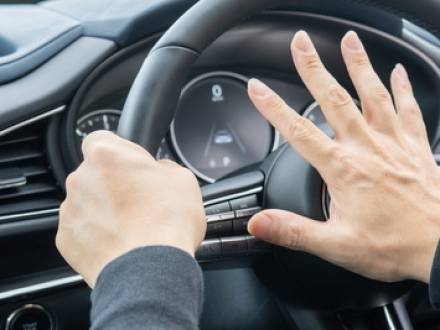 Tailgating can be considered reckless driving in Texas if it's done with a willful or wanton disregard for the safety of others. Not every instance of following too closely automatically rises to this more serious charge, though. If you're facing a reckless driving charge related to tailgating in 2026, our Houston traffic violations lawyers can help you understand the difference between these charges and build a strong defense.
What Is the Difference Between Following Too Closely and Reckless Driving?
Under Texas Transportation Code Section 545.062, drivers must maintain a safe following distance behind other vehicles. This standard takes into account speed, traffic conditions, and road conditions. A following-too-closely violation generally results in a traffic citation and fine.
Reckless driving is a separate and more serious offense. Under Texas Transportation Code Section 545.401, reckless driving occurs when someone drives with willful or wanton disregard for the safety of persons or property. Tailgating alone may result in a following-too-closely citation. However, more dangerous tailgating behavior may support a reckless driving charge, depending on the circumstances.
What Makes Tailgating Rise to the Level of Reckless Driving?
Context matters significantly in these cases. Tailgating at high speeds can turn a simple following distance ticket into a reckless driving charge. The same is true if the tailgating is combined with aggressive lane changes. It's also true if someone tailgates on purpose to scare another driver. Officers and prosecutors usually look at the full pattern of behavior, not just the tailgating alone, when they decide which charge to file.
What Are the Penalties for Reckless Driving in Texas?
Reckless driving in Texas is a misdemeanor. A conviction can result in up to 30 days in county jail, a fine of up to $200, or both.
This is more serious than a typical following-too-closely violation, which generally results in a traffic citation and fine. A reckless driving conviction can also create a criminal record. It may have other consequences for your driving or employment.
What Evidence Do Prosecutors Use to Prove Reckless Driving?
Prosecutors typically rely on several types of evidence to build their case. Common evidence includes:
- Dashcam or traffic camera footage showing the specific driving behavior
- Witness statements describing what they observed
- The officer's own observations and report from the traffic stop
- Evidence of speed at the time of the alleged reckless driving
- Any accident report if the tailgating led to a collision
This charge requires proving a mental state – that’s the "willful or wanton disregard" – rather than just the physical act of driving too closely. Because of this, prosecutors often need more than just evidence of tailgating alone to secure a conviction.
Why Does the Mental State Requirement Matter for Your Defense?
This creates an opportunity for a defense attorney to argue that the driving, while perhaps unsafe, didn't rise to this heightened level of intent. Simple carelessness or a momentary lapse in judgment is generally different from the willful disregard required for a reckless driving conviction.
Can Tailgating Lead to Other Charges Beyond Reckless Driving?
Additional charges related to the accident itself may apply if tailgating leads to a collision. Road rage-related charges could also come into play in more extreme cases involving aggressive behavior toward another driver. This is particularly true if the tailgating was combined with threats or intentional intimidation.
Understanding exactly what you're being charged with, and why, is an important first step in building an effective defense. Different charges carry different penalties and require different defense strategies. At Murphy & McKinney Law Firm, P.C., we can help you understand your charges.
What Defenses Are Available for a Reckless Driving Charge?
Several defense strategies may apply depending on the specific facts of your case. Common defenses include challenging whether your driving actually met the legal standard of willful or wanton disregard. You can also question the reliability of witness observations or officer testimony. Presenting evidence of traffic or road conditions that might explain your following distance without suggesting recklessness can help too.
A thorough review of dashcam footage, traffic camera recordings, and the specific circumstances of the stop can often reveal weaknesses in the state's case that aren't immediately obvious.
Contact Our Houston Reckless Driving Defense Attorneys Today
At Murphy & McKinney Law Firm, P.C., we understand how a routine traffic stop can unexpectedly escalate into a serious criminal charge. When building a defense, we want to protect our clients from the long-term consequences of an unfair or overly aggressive prosecution.
Contact us at 713-229-8333 to talk to our Houston traffic violations lawyers today.


 Office Location
Murphy & McKinney Law Firm, P.C.
902 Heights Blvd., Houston, TX 77008
P 713-229-8333
F 713-583-0205
Our firm is located in Houston, and we provide representation for people in the surrounding cities and counties, including Cypress, Katy, Spring, Pasadena, La Porte, Deer Park, Friendswood, Baytown, Harris County, Bastrop County, Brazoria County, Fort Bend County, Galveston County, Guadalupe County, Liberty County, Montgomery County, Walker County, Waller County, and Wharton County. We also serve clients throughout the state of Texas.
Results listed are not a guarantee or indication of future case results.